Are Solar Batteries Finally Worth It?
The Tipping Point Has Arrived
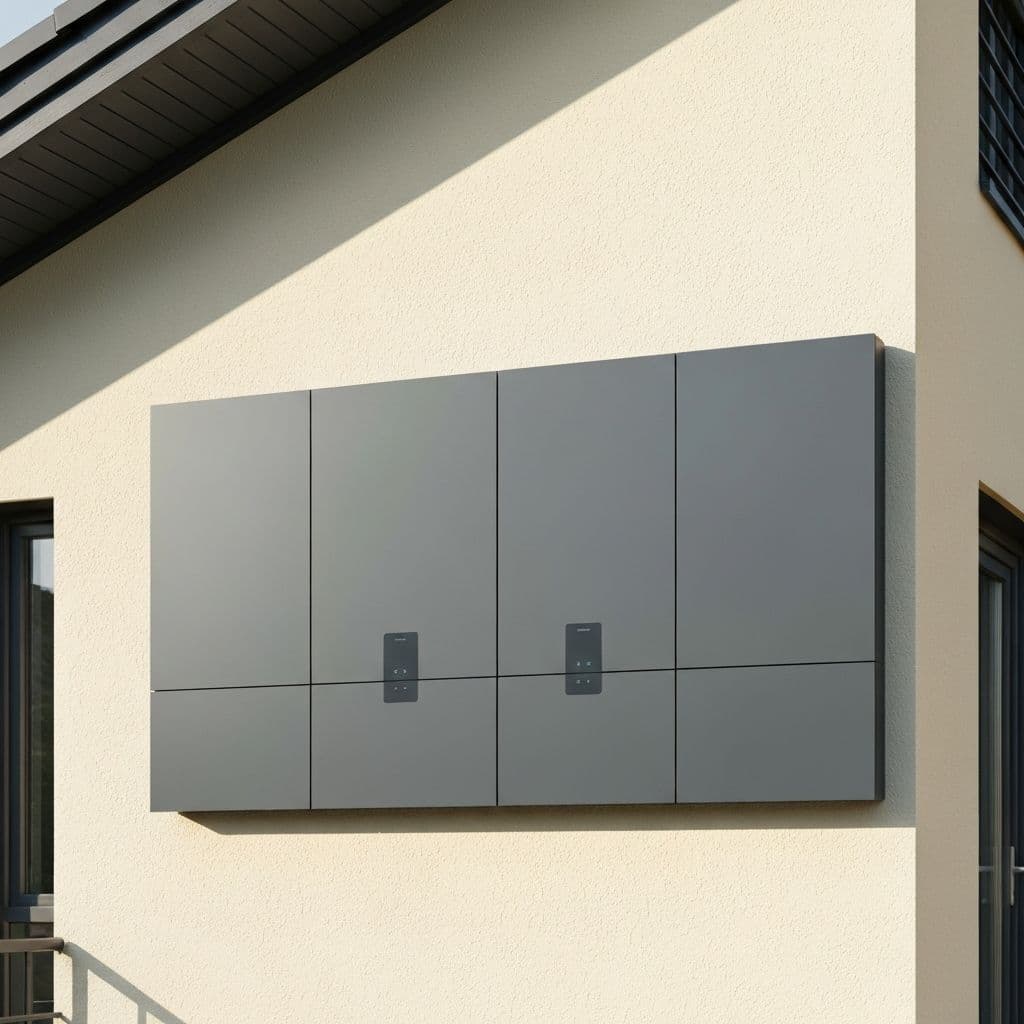
For a decade, the advice on batteries was "wait, they are too expensive." In 2025, that advice has officially changed for many Australian households. The combination of the new $2.3 Billion Federal Battery Rebate scheme and falling lithium prices has slashed payback periods.
The New ROI Equation
Previously, a battery payback period was 10-12 years—longer than the warranty of the battery itself. Now, with rebates reducing upfront costs by up to 30%, we are seeing payback periods drop to 6-8 years.
Given that modern batteries (like the Tesla Powerwall 3 or Sungrow SBR) have 10-15 year lifespans, this means you now get years of "free" storage after the system has paid for itself.
Get 3 Free Quotes from Local Installers
Comparing quotes from CEC-accredited installers in your area is the best way to ensure you get the right system at the right price. Our network of vetted professionals can provide obligation-free quotes tailored to your home.
Blackout Protection: What You Need to Know
One of the biggest motivators for batteries is energy security. However, not all batteries work in a blackout.
- Standard Install: The battery shuts down if the grid goes down (safety requirement).
- Backup Circuit: Keeps specific lights and fridge running (additional cost).
- Whole Home Backup: Keeps the entire house running, including AC (requires a large battery and expensive gateway hardware).
Be clear with your installer about your blackout expectations. "Whole home backup" can add $1,500 - $3,000 to the installation cost.
Virtual Power Plants (VPPs)
To maximize value, consider joining a VPP. Energy retailers will pay you premium rates to access your battery during grid peak times. Some VPPs offer $0 upfront battery deals or high monthly credits, further improving the ROI.
Ready to explore your options?
Use our savings calculator to estimate your rebates, or request free quotes from CEC-accredited installers in your area.